

Digital dispensers helping older people remain independent in their own homes
Dosbarthwyr meddyginiaeth digidol yn helpu pobl hŷn i aros yn annibynnol yn eu cartrefi eu hunain
Digital medication devices, trialled over a 12-month period in Bridgend, have helped over 70 participants manage their medication independently.
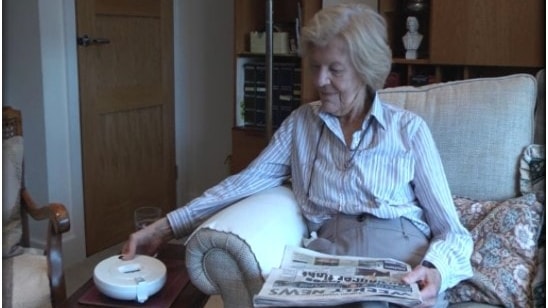
The two piloted devices - Pivotell™ Advance and YOURmeds™ - prompt the user to take their medication and deliver the appropriate dose at the right time. They can also alert family members as well as the council’s alarm receiving centre if a dose is missed, prompting timely support.
Mrs Jones trialled the medicine dispenser and was very pleased with it. The device is filled by a local pharmacy every two weeks and provides an alert when it is time for Mrs Jones to take her medication. The blue bowl into which the medicines are tipped makes them easier to see and reduces the risk of them being dropped.
Funded by Welsh Government with support from the Life Sciences Hub, the dispensing devices were offered to adults referred to Bridgend County Borough Council's social services who were struggling to safely manage their medicines. This could be due to sensory loss, cognitive impairment or dexterity issues.
The pilot has shown the devices can promote independence, reduce need for care packages and potentially reduce hospital admissions due to medication errors. Four out of five people in the trial were able to use the device successfully, reducing missed doses and medication errors.
Pharmacy and social care teams reported that staff time had been freed up for new assessments.
The devices also support unpaid-informal carers by reducing the need for medication-related visits by family members - potentially supporting carers to stay in paid employment. At the end of the trial, 83% of family members reported feeling more supported, less isolated, and more confident that the person they cared for was being supported more effectively.
Mrs Jones said:
“This has been fantastic, it’s brilliant and made things so much easier.”
The Minister for Children and Social Care, Dawn Bowden, said:
"This innovative project demonstrates how the right technology, combined with expert support, can help people maintain their independence and continue doing the things they love.
"The results speak for themselves – 80% medication adherence, reduced pressure on our care services, and most importantly, people feeling more confident and supported in their own homes.
"This is exactly the kind of preventative, person-centred approach we need as we build an NHS and social care system fit for the future"
Thomas Sauter, Clinical Lead Pharmacist at Cwm Taf Morgannwg UHB, said:
"By working together as an integrated health and social care team, we’ve been able to support people to take their medicines independently and safely. That independence makes a real difference — not just to individuals, but to their families, who feel more reassured and have reduced worries about daily medication."
Bridgend County Borough Council have secured additional funding to ensure participants can continue to use these devices for as long as they need them and to support new users.
The project was showcased at the National Social Care Conference last October and shortlisted for an NHS Wales Award.
Notes to editors
Images caption: Pivotell™ device in use (to note these are not photos of the case study, Mrs Jones)